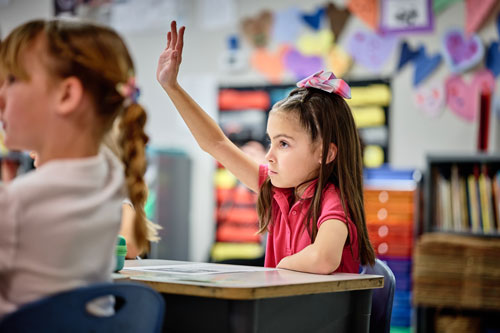


When families begin exploring preschool options, one important factor to consider is small preschool class sizes. Class size plays a significant role in how much attention each child receives and how comfortable children feel as they begin their learning journey.
Small preschool class sizes allow teachers to provide individualized support, guide social development, and create a nurturing classroom environment. With fewer scholars in the classroom, teachers can better observe how children learn and help them develop the foundational skills they need for kindergarten.
For young children, feeling seen, supported, and encouraged in the classroom builds confidence and creates a strong foundation for learning.
More Individual Attention in Preschool Classrooms
One of the greatest benefits of small preschool class sizes is the amount of individual attention each child receives.
In smaller classrooms, teachers have more opportunities to interact with every student throughout the day. This allows educators to better understand each child’s learning style, strengths, and areas where they may need additional support.
Teachers can guide learning through storytelling, hands-on activities, and meaningful conversations. These moments of connection help children feel supported and encourage curiosity as they explore new ideas.
Individual attention also allows teachers to adjust activities to meet the needs of different learners, helping each child grow at their own pace.
How Smaller Preschool Groups Support Language Development
Language development is one of the most important parts of early childhood education. In classrooms with small preschool class sizes, children have more opportunities to participate in conversations, ask questions, and interact directly with teachers.
During story time, group discussions, and classroom activities, children practice listening, responding, and expressing their ideas. These daily interactions help children build vocabulary, strengthen communication skills, and develop confidence when speaking.
According to the National Association for the Education of Young Children, smaller class sizes allow teachers to engage more directly with children and support early learning development.
Building Social Skills in Preschool
Preschool is also where children begin learning how to interact with others in a classroom setting. Small preschool class sizes create an environment where children can comfortably practice social skills and build friendships.
With fewer scholars, teachers can guide social interactions and support children as they learn how to work and play together. Children begin to learn important skills such as:
• Sharing and taking turns
• Participating in group activities
• Communicating their ideas and needs
• Building friendships with classmates
Over time, these experiences help children gain confidence and develop independence in the classroom.

Preparing Children for Kindergarten in Supportive Classroom
Another benefit of small preschool class sizes is helping children become comfortable with classroom routines and expectations.
Through structured learning experiences and guided activities, children begin developing the skills they will use when they enter kindergarten. These early experiences help children learn how to participate in a classroom environment while continuing to build confidence.
Some of the foundational skills developed in preschool include:
• Listening and following directions
• Participating in group learning
• Building early literacy and math skills
• Developing independence and problem-solving abilities
When children feel confident and comfortable in the classroom, they transition more smoothly into kindergarten.
How Leman Academy Supports Young Learners
At Leman Academy Preschool, scholars learn in small class sizes with caring teachers and instructional assistants in every classroom. This supportive environment allows teachers to provide individualized attention while helping scholars develop strong academic and social foundations.
Our curriculum-based preschool program introduces scholars to rich language and stories, early math concepts, music, art, movement, and outdoor exploration. Through these experiences, young learners build curiosity, confidence, and a love of learning.
Learn More About Leman Academy Preschool
If you are exploring preschool options, the best way to understand a program is to see the classroom environment in person.
Learn more about our preschool programs or schedule a tour to see how Leman Academy helps scholars build the skills and confidence needed for kindergarten success.
Central Tucson → Central Tucson preschool page
East Tucson → East Tucson preschool page
Marana → Marana preschool page
Oro Valley → Oro Valley preschool page
Simplified Summary
Small preschool class sizes help children learn in a safe and supportive classroom. Teachers can give each child more attention and help them build important skills. Children practice speaking, listening, and working with others. Small classes also help children feel confident and ready for kindergarten. At Leman Academy Preschool, small class sizes help teachers support every scholar as they learn and grow.