


• Skip to primary navigation
  • Skip to main content
  • Skip to footer
  • Call Us at 877-BE-LEMAN (877-235-3626)
  • Careers
  • Donate
    • Donate Arizona
    • Donate Colorado
  • en English
    • en English
    • es Spanish
Leman Academy of Excellence

Leman Academy of Excellence

Where Children Build Knowledge and Character

  • Enroll
    • Enroll in Arizona K-8 Schools
    • Enroll in Arizona Preschools
    • Enroll in Colorado K-8 Schools
  • Plan a Visit
    • Plan a Visit Arizona
    • Plan a Visit Colorado
  • Schools
    • Arizona
      • Central Tucson (Preschool)
      • Central Tucson (K-8)
      • East Tucson (Preschool)
      • East Tucson (K-8)
      • Marana (Preschool)
      • Marana (K-8)
      • Mesa (K-8)
      • Oro Valley (Preschool)
      • Oro Valley (K-8)
      • Sierra Vista (K-8)
      • Leman Virtual Academy (K-8)
    • Colorado
      • Parker-Bayou Gulch (PreK)
      • Parker-Bayou Gulch (K-8)
      • Parker-Stroh (K-8)
  • Discover Leman Academy
    • Curriculum
    • Our Approach
    • FAQs
    • Founder & History
    • News & Updates
  • Contact Us
    • Contact Us
    • Arizona Schools Directory
    • Colorado Schools Directory

Preschool

March 25, 2026 by Tatianna Simmons

When families begin exploring early childhood programs, one of the most common questions they ask is about preschool vs daycare. While both provide a safe environment for children, they serve different purposes and offer different types of experiences.

Understanding the difference between preschool and daycare can help parents choose a program that supports their child’s early learning, social development, and readiness for kindergarten.

What Is Daycare?

Daycare programs primarily focus on providing care and supervision for children while parents are working. Many daycare centers offer flexible schedules and may care for children of different ages throughout the day.

Daycare environments typically include activities such as playtime, meals, naps, and social interaction. While some learning may take place, the primary goal of daycare is childcare and supervision rather than structured academic preparation.

What Is Preschool?

Preschool programs are designed specifically to support early childhood learning and development. In a preschool classroom, children participate in structured activities that help them build language skills, early math understanding, curiosity, and confidence.

Preschool also introduces children to classroom routines and learning habits that prepare them for kindergarten. These routines include listening to teachers, participating in group activities, sharing ideas, and developing independence.

Preschool vs Daycare: Key Differences

When comparing preschool vs daycare, the biggest difference is the focus on learning.

Preschool programs typically emphasize:

  • Early literacy and language development
  • Introduction to numbers and early math concepts
  • Social and emotional development
  • Structured classroom routines
  • Activities designed to prepare children for kindergarten

While daycare centers provide valuable childcare services, preschool programs are designed to help children develop the foundational skills needed for school success.

Why Early Learning Matters

The preschool years are a critical time for brain development. During this stage, children are naturally curious and eager to explore the world around them.

According to early childhood research, these early years play a key role in long-term academic success.

A high-quality preschool program helps children develop:

  • Strong communication skills
  • Curiosity and problem-solving abilities
  • Social skills and cooperation
  • Confidence in a classroom setting

These experiences help children transition smoothly into kindergarten and begin their academic journey with confidence.

How Leman Academy Preschool Supports Young Learners

At Leman Academy Preschool, scholars participate in a curriculum-based early learning program designed to prepare children for kindergarten success.

Scholars learn in small classes where teachers and instructional assistants provide individualized attention and support. Each day includes rich language experiences, storytelling, music, art, movement, early math exploration, and outdoor discovery.

Through these activities, scholars develop confidence, curiosity, and a love of learning that will support them throughout their education.

Families can learn more about our preschool programs:

  • Central Tucson → Central Tucson preschool page
  • East Tucson → East Tucson preschool page
  • Marana → Marana preschool page
  • Oro Valley → Oro Valley preschool page

Explore Leman Academy Preschool

Choosing between preschool vs daycare is an important decision for families. Visiting a classroom and meeting the teachers can help parents better understand the learning environment and program structure.

We invite families to explore Leman Academy Preschool and schedule a tour to see how Leman Academy helps scholars build the skills and confidence needed for kindergarten success.

Home » Preschool

Filed Under: Preschool Tagged With: Early Education, Parent Resources, Preschool

March 9, 2026 by Tatianna Simmons

When families begin exploring preschool options, one important factor to consider is small preschool class sizes. Class size plays a significant role in how much attention each child receives and how comfortable children feel as they begin their learning journey.

Small preschool class sizes allow teachers to provide individualized support, guide social development, and create a nurturing classroom environment. With fewer scholars in the classroom, teachers can better observe how children learn and help them develop the foundational skills they need for kindergarten.

For young children, feeling seen, supported, and encouraged in the classroom builds confidence and creates a strong foundation for learning.

More Individual Attention in Preschool Classrooms

One of the greatest benefits of small preschool class sizes is the amount of individual attention each child receives.

In smaller classrooms, teachers have more opportunities to interact with every student throughout the day. This allows educators to better understand each child’s learning style, strengths, and areas where they may need additional support.

Teachers can guide learning through storytelling, hands-on activities, and meaningful conversations. These moments of connection help children feel supported and encourage curiosity as they explore new ideas.

Individual attention also allows teachers to adjust activities to meet the needs of different learners, helping each child grow at their own pace.

How Smaller Preschool Groups Support Language Development

Language development is one of the most important parts of early childhood education. In classrooms with small preschool class sizes, children have more opportunities to participate in conversations, ask questions, and interact directly with teachers.

During story time, group discussions, and classroom activities, children practice listening, responding, and expressing their ideas. These daily interactions help children build vocabulary, strengthen communication skills, and develop confidence when speaking.

According to the National Association for the Education of Young Children, smaller class sizes allow teachers to engage more directly with children and support early learning development.

Building Social Skills in Preschool

Preschool is also where children begin learning how to interact with others in a classroom setting. Small preschool class sizes create an environment where children can comfortably practice social skills and build friendships.

With fewer scholars, teachers can guide social interactions and support children as they learn how to work and play together. Children begin to learn important skills such as:

• Sharing and taking turns
• Participating in group activities
• Communicating their ideas and needs
• Building friendships with classmates

Over time, these experiences help children gain confidence and develop independence in the classroom.

Teacher working with students in small preschool sizes
Small preschool class sizes allow teachers to give individual attention to every child.

Preparing Children for Kindergarten in Supportive Classroom

Another benefit of small preschool class sizes is helping children become comfortable with classroom routines and expectations.

Through structured learning experiences and guided activities, children begin developing the skills they will use when they enter kindergarten. These early experiences help children learn how to participate in a classroom environment while continuing to build confidence.

Some of the foundational skills developed in preschool include:

• Listening and following directions
• Participating in group learning
• Building early literacy and math skills
• Developing independence and problem-solving abilities

When children feel confident and comfortable in the classroom, they transition more smoothly into kindergarten.

How Leman Academy Supports Young Learners

At Leman Academy Preschool, scholars learn in small class sizes with caring teachers and instructional assistants in every classroom. This supportive environment allows teachers to provide individualized attention while helping scholars develop strong academic and social foundations.

Our curriculum-based preschool program introduces scholars to rich language and stories, early math concepts, music, art, movement, and outdoor exploration. Through these experiences, young learners build curiosity, confidence, and a love of learning.

Learn More About Leman Academy Preschool

If you are exploring preschool options, the best way to understand a program is to see the classroom environment in person.

Learn more about our preschool programs or schedule a tour to see how Leman Academy helps scholars build the skills and confidence needed for kindergarten success.

Central Tucson → Central Tucson preschool page
East Tucson → East Tucson preschool page
Marana → Marana preschool page
Oro Valley → Oro Valley preschool page

Simplified Summary

Small preschool class sizes help children learn in a safe and supportive classroom. Teachers can give each child more attention and help them build important skills. Children practice speaking, listening, and working with others. Small classes also help children feel confident and ready for kindergarten. At Leman Academy Preschool, small class sizes help teachers support every scholar as they learn and grow.

Filed Under: Preschool Tagged With: Early Childhood Learning, Kindergarten Readiness, Preschool

December 8, 2025 by Deb Weisel

A Strong Start Makes All the Difference

Preschool is where children build the habits, confidence and early skills that shape their entire educational journey. At Leman Academy of Excellence, our preschool program is designed to give young learners a warm, structured, joyful beginning, one that helps them thrive as they grow.

Parents often join us because they want something more purposeful than daycare, more structured than a play-only environment and more nurturing than the typical preschool classroom.

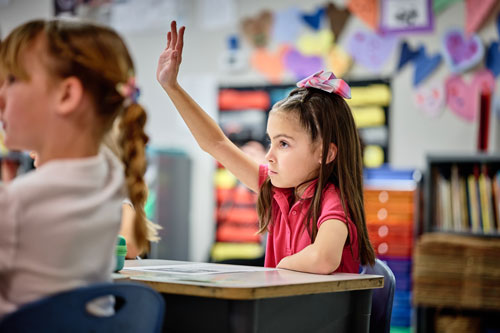
A young Scholar raising her hand during class at Leman Academy in Sierra Vista

What Makes Leman Academy Preschool Different

1. A Classical Approach Even in Early Childhood

Our preschool introduces children to the foundations of classical learning through stories, early literacy, songs, recitation, fine-motor development and hands-on discovery. It’s playful and interactive, but rooted in meaningful learning.

2. A Focus on Virtue and Character

Even our youngest scholars begin learning respect, responsibility, caring and perseverance. These aren’t buzzwords. They become part of daily routines that help children feel safe and supported.

3. Small Class Sizes and Warm, Experienced Teachers

Children learn best when they feel known. Our preschool teachers understand early childhood development and build strong connections with each child.

4. A Calm, Structured Environment

Families often tell us the most surprising thing about our preschool is how peaceful it feels. Our routines create comfort, consistency and confidence for young learners.

5. Readiness for Kindergarten and Beyond

Leman preschoolers transition smoothly into our K–8 classical program because they’re already familiar with the rhythms, expectations and warm community of the school.

What Children Experience Each Day

Our curriculum blends academics, creativity and character:

  • Story time and early literacy
  • Pre-math and number sense
  • Outdoor play and movement
  • Early handwriting skills
  • Art, music and imagination
  • Social skills and classroom habits
  • Routines that build confidence and independence

Parents often notice growth within weeks, improved language, better attention span, more confidence and strong connections with peers.

When to Enroll

Preschool enrollment is especially active in December and January, when families start planning for the next school year. Spots fill quickly at many campuses, so early inquiry is recommended.

We welcome:

  • First-time preschool families
  • Parents switching from a daycare or another program
  • Families relocating who want a smooth transition
  • Parents seeking a classical environment from the start

Enroll Arizona Preschool

Enroll Colorado Preschool

Ready to Learn More About Preschool at Leman Academy?

If you’re looking for a safe, structured preschool experience that builds confidence and character while laying the foundation for strong academics, we’d love to meet your family.

Enrollment for preschool and Pre-K is open now.

Schedule an Arizona Preschool Tour

Schedule a Colorado Preschool Tour

Filed Under: Kindergarten Tagged With: Early Education, Kindergarten Readiness, Preschool

Footer

Arizona Schools

Central Tucson

6188 E. Pima St.
Tucson, Arizona 85712

Tel: 520-462-1202
Fax: 520-230-2884
Preschool: 520-462-0876

East Tucson

10100 E Golf Links Rd.
Tucson, Arizona 85730

Tel: 520-526-0474
Fax: 520-722-7309
Pre-K: 520-526-0480
After: 520-526-0481

Marana

7720 N Silverbell Rd,
Bldg A, B & C
Tucson, Arizona 85743

Tel: 520-639-8080
Fax: 520-395-1352
Pre-K: 520-639-8071

Mesa

3761 S Power Rd.
Mesa, Arizona 85212

Tel: 602-975-4750
Fax: 480-926-0303

Leman Virtual Academy

6188 E. Pima St.
Tucson, Arizona 85712

Tel: 520-462-0832

Oro Valley

12255 N La Cañada Drive
Oro Valley, Arizona 85755

Tel: 520-912-4005
Fax: 520-344-9690
Pre-K: 520-912-4007

Sierra Vista

1000 E Wilcox Dr
Sierra Vista, Arizona 85635

Tel: 520-352-7780
Fax: 520-459-4387

Arizona Schools Leadership

Chief Education Officer

Bethany Papajohn bethany.papajohn@lemanacademy.org
Tel: 520-499-1474 x2033

Colorado schools

Parker-Stroh Rd

19560 Stroh Rd.
Parker, Colorado 80134

Tel: 720-767-1600
Fax: 303-805-2286

Parker-Bayou Gulch

6405 Estancia Blvd.
Parker, Colorado 80134

Tel: 720-523-9950
Fax: 303-952-0599


Colorado Schools Leadership

Head of Schools Colorado

Dr. Jason Edwards
jason.edwards@lemanacademy.org

Quick Links

Staff Links

  • Infinite Campus
  • Staff Documents

Financial Transparency

  • AZ Annual Budget
  • AZ Average Teacher Salary
  • CO Financial Transparency

Marketing & Media:

Media@lemanacademy.org

Records Request

Arizona Public Records Request:

Tracey McCracken
tmccracken@lemanacademy.org
Tel: 520-499-1474

Arizona ESS Records Request:

ESSrecordsAZ@lemanacademy.org
Tel: 520-499-1474

© Copyright Leman Academy of Excellence. All rights reserved.

Privacy Policy Accessibility Statement YouTube Facebook LinkedIn
logo
  • Discover Leman Academy
    • Curriculum
    • Our Approach
    • FAQs
    • Founder & History
    • Charter School Insights
  • Schools
    • Arizona
    • Colorado
  • Careers
  • Contact Us
  • Donate
    • Arizona
    • Colorado
  • Find a School
    • By State
    • Near You
  • Plan a Visit
    • Plan a Visit Arizona
    • Plan a Visit Colorado
  • Enroll
    • Enroll in Arizona K-8 Schools
    • Enroll in Arizona Preschools